Making AI a Springboard for Authentic Brand Storytelling
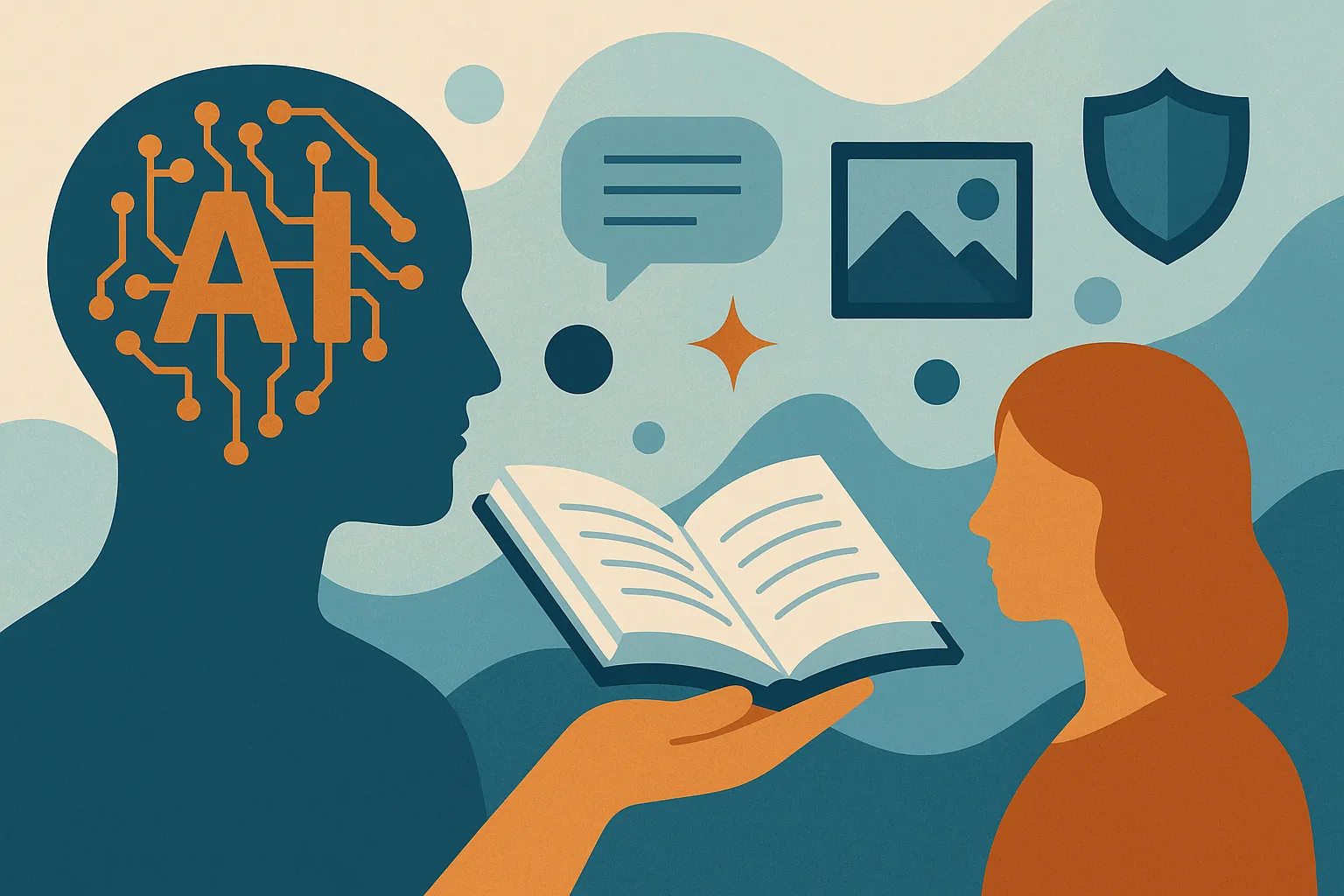
For many marketers, the words “AI” and “authentic” cannot co-exist by definition. But I’m not so sure about that. AI, used thoughtfully, can help brands communicate with more meaning—not by replacing human creativity, but by revealing insights that make creativity more relevant. CMOs who treat AI as a springboard for authenticity are discovering a deeper advantage: they can pair automation’s precision with human insight to create marketing that feels both personal and true.
Here’s how that plays out in practice.
Use AI to Uncover Deeper Audience Truths
Authentic storytelling begins with understanding what people value, fear, and hope for. AI can analyze millions of data points—reviews, conversations, videos, searches—and surface patterns that reveal emotional context long before surveys or social listening would. Think of AI’s output as signals about how culture is shifting and which themes are gaining emotional traction.
For a CMO, this means moving from audience assumptions to audience empathy. When AI detects that customers are using words like “safe,” “real,” or “belonging” more often, it tells you something about what’s happening beneath the surface of behavior. These patterns give creative teams richer clay to work with. Instead of guessing what will resonate, they can build from the emotions people are already expressing.
AI provides a more complete picture of human motivation—something every brand storyteller needs before a single headline is written.
Turn Insights into Stories That Feel Real
When AI reveals underlying emotions, how do you translate them into marketing that feels genuine? Don’t use AI to write your narrative; use AI to shape it.
Data can illuminate what audiences care about, but tone, phrasing, and framing still come from human judgment. Here, CMOs can use AI to bridge strategy and creativity. When you feed insights from models into creative briefs, your teams gain a sharper understanding of why a brand story matters.
For example, if analysis shows that vulnerability outperforms perfection in brand conversations, the team can consciously embrace more human imperfections in their messaging. AI helps define the emotional “why,” while people decide how to express it.
When used this way, AI doesn’t homogenize creativity; it grounds it. AI reminds brand storytellers that authenticity grows from relevance.
Build Personalization That Feels Human
Personalization is where AI shines, but it’s also where authenticity can easily erode unless your marketing team is thoughtful.
It’s simple for an algorithm to tailor every ad or email for each individual. The challenge is maintaining a recognizable voice across all those variations. A brand that sounds like a different person in every message quickly loses credibility.
This is where CMOs can use AI as a quality guardian. Machine learning tools can now scan copy and imagery across thousands of assets to check for tone, word choice, and visual consistency. They can flag when a message strays from the brand’s emotional signature or when an image feels off-key. This doesn’t constrain creativity; it protects coherence. Personalization then becomes a way to bring people closer to the brand, not fracture its voice.
I think of the best personalization strategies as treating AI like an orchestra conductor—ensuring that every instrument (social, email, video, paid media) plays the same melody in its own key. When each interaction feels tailored yet unmistakably on-brand, audiences experience not just relevance, but trust.
Experiment and Learn at Creative Speed
In the age of AI, experimentation has become one of the most powerful paths to authenticity. CMOs can now test how language, imagery, and emotional tone affect resonance at a scale that would have been impossible manually. Instead of waiting months for campaign reports, marketers can see within days—or hours—which creative choices feel most authentic to audiences.
AI-driven A/B and multivariate testing tools can analyze thousands of headline and image combinations, tracking engagement patterns and sentiment shifts. They can detect when an idea feels overused or when a phrase evokes fatigue. This real-time feedback helps teams iterate faster while maintaining brand integrity.
AI is also playing a growing role as an editorial assistant. It can spot redundant phrasing, overly complex sentences, or inconsistencies in tone. AI helps polish content before it reaches the public. It becomes your brand’s editor: a way to refine storytelling without removing the human fingerprints that make it compelling.
The payoff is agility. CMOs who embrace this test-and-learn mindset build confidence in what truly connects. Authenticity becomes measurable, adaptable, and continually improved.
Transform Data into Creative Inspiration
In addition to helping you understand how your audience feels, AI can help you understand what’s shaping the culture around them. This is where AI becomes a creative compass.
AI can turn raw information into creative fuel. It can surface new themes that guide campaign direction by recognizing semantic and visual patterns. This kind of pattern detection helps CMOs stay culturally alert by revealing what is emerging.
For example, AI might reveal that conversations around “reconnection” or “quiet luxury” are accelerating faster than expected. That could spark a campaign concept. Creative teams can then decide how to interpret that insight—whether through imagery, partnerships, or tone—to make the brand’s response feel authentic rather than reactive.
When AI highlights the emotional undercurrents shaping culture, marketers can craft stories that meet people where they are, not where spreadsheets say they should be.
Establish Creative Guardrails
As AI becomes more integrated into marketing, CMOs must ensure that automation doesn’t outpace accountability. Guardrails are about protecting—not restricting—creativity.
Practical steps include training AI on approved language, using content provenance tools like content credentials to show how AI-assisted work was made, and setting up internal review processes that keep humans in the loop. These measures reinforce authenticity through transparency.
CMOs who make integrity part of their AI strategy strengthen their brand’s emotional foundation while mitigating missteps caused by AI that misunderstands voice or values.
Where Human Partnership Elevates AI
Agencies play an essential role in helping CMOs operationalize all of this. While AI can surface insights and accelerate creative iteration, most marketing teams don’t have the bandwidth or internal expertise to build the systems, guardrails, and feedback loops required to use AI well.
Agencies can augment a brand’s capabilities by bringing cross-industry best practices, advanced AI workflows, creative experimentation frameworks, and governance models that ensure technology enhances—rather than dilutes—the brand’s voice. In this way, agencies become strategic partners who help CMOs turn AI’s potential into disciplined, authentic brand expression.
Keep the Final Imaginative Leap Human
No matter how advanced AI becomes, the soul of brand storytelling will always belong to people. AI can analyze sentiment, test variations, and suggest refinements, but it cannot decide what a brand stands for or how it makes people feel. Those are human judgments anchored in experience, empathy, and belief.
The opportunity for CMOs is to treat AI as a means of elevation, not substitution. Automation can handle the mechanics of discovery, testing, and refinement so that humans can spend more time crafting the ideas that inspire connection. When data meets imagination, storytelling moves from automated communication to emotional resonance.
The most forward-looking CMOs are already working this way. They use AI to listen harder, learn faster, and express their brands more truthfully. AI promises more than efficiency—it also promises authenticity if you use it correctly. AI helps marketers see audiences in higher resolution, write with greater clarity, and tell stories that feel unmistakably human.
When the technology scales understanding and people provide the meaning, authenticity becomes the brand advantage no algorithm can replicate.

Making AI a Springboard for Authentic Brand Storytelling
Download the guide to:
For many marketers, the words “AI” and “authentic” cannot co-exist by definition. But I’m not so sure about that. AI, used thoughtfully, can help brands communicate with more meaning—not by replacing human creativity, but by revealing insights that make creativity more relevant. CMOs who treat AI as a springboard for authenticity are discovering a deeper advantage: they can pair automation’s precision with human insight to create marketing that feels both personal and true.
Here’s how that plays out in practice.
Use AI to Uncover Deeper Audience Truths
Authentic storytelling begins with understanding what people value, fear, and hope for. AI can analyze millions of data points—reviews, conversations, videos, searches—and surface patterns that reveal emotional context long before surveys or social listening would. Think of AI’s output as signals about how culture is shifting and which themes are gaining emotional traction.
For a CMO, this means moving from audience assumptions to audience empathy. When AI detects that customers are using words like “safe,” “real,” or “belonging” more often, it tells you something about what’s happening beneath the surface of behavior. These patterns give creative teams richer clay to work with. Instead of guessing what will resonate, they can build from the emotions people are already expressing.
AI provides a more complete picture of human motivation—something every brand storyteller needs before a single headline is written.
Turn Insights into Stories That Feel Real
When AI reveals underlying emotions, how do you translate them into marketing that feels genuine? Don’t use AI to write your narrative; use AI to shape it.
Data can illuminate what audiences care about, but tone, phrasing, and framing still come from human judgment. Here, CMOs can use AI to bridge strategy and creativity. When you feed insights from models into creative briefs, your teams gain a sharper understanding of why a brand story matters.
For example, if analysis shows that vulnerability outperforms perfection in brand conversations, the team can consciously embrace more human imperfections in their messaging. AI helps define the emotional “why,” while people decide how to express it.
When used this way, AI doesn’t homogenize creativity; it grounds it. AI reminds brand storytellers that authenticity grows from relevance.
Build Personalization That Feels Human
Personalization is where AI shines, but it’s also where authenticity can easily erode unless your marketing team is thoughtful.
It’s simple for an algorithm to tailor every ad or email for each individual. The challenge is maintaining a recognizable voice across all those variations. A brand that sounds like a different person in every message quickly loses credibility.
This is where CMOs can use AI as a quality guardian. Machine learning tools can now scan copy and imagery across thousands of assets to check for tone, word choice, and visual consistency. They can flag when a message strays from the brand’s emotional signature or when an image feels off-key. This doesn’t constrain creativity; it protects coherence. Personalization then becomes a way to bring people closer to the brand, not fracture its voice.
I think of the best personalization strategies as treating AI like an orchestra conductor—ensuring that every instrument (social, email, video, paid media) plays the same melody in its own key. When each interaction feels tailored yet unmistakably on-brand, audiences experience not just relevance, but trust.
Experiment and Learn at Creative Speed
In the age of AI, experimentation has become one of the most powerful paths to authenticity. CMOs can now test how language, imagery, and emotional tone affect resonance at a scale that would have been impossible manually. Instead of waiting months for campaign reports, marketers can see within days—or hours—which creative choices feel most authentic to audiences.
AI-driven A/B and multivariate testing tools can analyze thousands of headline and image combinations, tracking engagement patterns and sentiment shifts. They can detect when an idea feels overused or when a phrase evokes fatigue. This real-time feedback helps teams iterate faster while maintaining brand integrity.
AI is also playing a growing role as an editorial assistant. It can spot redundant phrasing, overly complex sentences, or inconsistencies in tone. AI helps polish content before it reaches the public. It becomes your brand’s editor: a way to refine storytelling without removing the human fingerprints that make it compelling.
The payoff is agility. CMOs who embrace this test-and-learn mindset build confidence in what truly connects. Authenticity becomes measurable, adaptable, and continually improved.
Transform Data into Creative Inspiration
In addition to helping you understand how your audience feels, AI can help you understand what’s shaping the culture around them. This is where AI becomes a creative compass.
AI can turn raw information into creative fuel. It can surface new themes that guide campaign direction by recognizing semantic and visual patterns. This kind of pattern detection helps CMOs stay culturally alert by revealing what is emerging.
For example, AI might reveal that conversations around “reconnection” or “quiet luxury” are accelerating faster than expected. That could spark a campaign concept. Creative teams can then decide how to interpret that insight—whether through imagery, partnerships, or tone—to make the brand’s response feel authentic rather than reactive.
When AI highlights the emotional undercurrents shaping culture, marketers can craft stories that meet people where they are, not where spreadsheets say they should be.
Establish Creative Guardrails
As AI becomes more integrated into marketing, CMOs must ensure that automation doesn’t outpace accountability. Guardrails are about protecting—not restricting—creativity.
Practical steps include training AI on approved language, using content provenance tools like content credentials to show how AI-assisted work was made, and setting up internal review processes that keep humans in the loop. These measures reinforce authenticity through transparency.
CMOs who make integrity part of their AI strategy strengthen their brand’s emotional foundation while mitigating missteps caused by AI that misunderstands voice or values.
Where Human Partnership Elevates AI
Agencies play an essential role in helping CMOs operationalize all of this. While AI can surface insights and accelerate creative iteration, most marketing teams don’t have the bandwidth or internal expertise to build the systems, guardrails, and feedback loops required to use AI well.
Agencies can augment a brand’s capabilities by bringing cross-industry best practices, advanced AI workflows, creative experimentation frameworks, and governance models that ensure technology enhances—rather than dilutes—the brand’s voice. In this way, agencies become strategic partners who help CMOs turn AI’s potential into disciplined, authentic brand expression.
Keep the Final Imaginative Leap Human
No matter how advanced AI becomes, the soul of brand storytelling will always belong to people. AI can analyze sentiment, test variations, and suggest refinements, but it cannot decide what a brand stands for or how it makes people feel. Those are human judgments anchored in experience, empathy, and belief.
The opportunity for CMOs is to treat AI as a means of elevation, not substitution. Automation can handle the mechanics of discovery, testing, and refinement so that humans can spend more time crafting the ideas that inspire connection. When data meets imagination, storytelling moves from automated communication to emotional resonance.
The most forward-looking CMOs are already working this way. They use AI to listen harder, learn faster, and express their brands more truthfully. AI promises more than efficiency—it also promises authenticity if you use it correctly. AI helps marketers see audiences in higher resolution, write with greater clarity, and tell stories that feel unmistakably human.
When the technology scales understanding and people provide the meaning, authenticity becomes the brand advantage no algorithm can replicate.
.webp)
Making AI a Springboard for Authentic Brand Storytelling
Download the guide to:
For many marketers, the words “AI” and “authentic” cannot co-exist by definition. But I’m not so sure about that. AI, used thoughtfully, can help brands communicate with more meaning—not by replacing human creativity, but by revealing insights that make creativity more relevant. CMOs who treat AI as a springboard for authenticity are discovering a deeper advantage: they can pair automation’s precision with human insight to create marketing that feels both personal and true.
Here’s how that plays out in practice.
Use AI to Uncover Deeper Audience Truths
Authentic storytelling begins with understanding what people value, fear, and hope for. AI can analyze millions of data points—reviews, conversations, videos, searches—and surface patterns that reveal emotional context long before surveys or social listening would. Think of AI’s output as signals about how culture is shifting and which themes are gaining emotional traction.
For a CMO, this means moving from audience assumptions to audience empathy. When AI detects that customers are using words like “safe,” “real,” or “belonging” more often, it tells you something about what’s happening beneath the surface of behavior. These patterns give creative teams richer clay to work with. Instead of guessing what will resonate, they can build from the emotions people are already expressing.
AI provides a more complete picture of human motivation—something every brand storyteller needs before a single headline is written.
Turn Insights into Stories That Feel Real
When AI reveals underlying emotions, how do you translate them into marketing that feels genuine? Don’t use AI to write your narrative; use AI to shape it.
Data can illuminate what audiences care about, but tone, phrasing, and framing still come from human judgment. Here, CMOs can use AI to bridge strategy and creativity. When you feed insights from models into creative briefs, your teams gain a sharper understanding of why a brand story matters.
For example, if analysis shows that vulnerability outperforms perfection in brand conversations, the team can consciously embrace more human imperfections in their messaging. AI helps define the emotional “why,” while people decide how to express it.
When used this way, AI doesn’t homogenize creativity; it grounds it. AI reminds brand storytellers that authenticity grows from relevance.
Build Personalization That Feels Human
Personalization is where AI shines, but it’s also where authenticity can easily erode unless your marketing team is thoughtful.
It’s simple for an algorithm to tailor every ad or email for each individual. The challenge is maintaining a recognizable voice across all those variations. A brand that sounds like a different person in every message quickly loses credibility.
This is where CMOs can use AI as a quality guardian. Machine learning tools can now scan copy and imagery across thousands of assets to check for tone, word choice, and visual consistency. They can flag when a message strays from the brand’s emotional signature or when an image feels off-key. This doesn’t constrain creativity; it protects coherence. Personalization then becomes a way to bring people closer to the brand, not fracture its voice.
I think of the best personalization strategies as treating AI like an orchestra conductor—ensuring that every instrument (social, email, video, paid media) plays the same melody in its own key. When each interaction feels tailored yet unmistakably on-brand, audiences experience not just relevance, but trust.
Experiment and Learn at Creative Speed
In the age of AI, experimentation has become one of the most powerful paths to authenticity. CMOs can now test how language, imagery, and emotional tone affect resonance at a scale that would have been impossible manually. Instead of waiting months for campaign reports, marketers can see within days—or hours—which creative choices feel most authentic to audiences.
AI-driven A/B and multivariate testing tools can analyze thousands of headline and image combinations, tracking engagement patterns and sentiment shifts. They can detect when an idea feels overused or when a phrase evokes fatigue. This real-time feedback helps teams iterate faster while maintaining brand integrity.
AI is also playing a growing role as an editorial assistant. It can spot redundant phrasing, overly complex sentences, or inconsistencies in tone. AI helps polish content before it reaches the public. It becomes your brand’s editor: a way to refine storytelling without removing the human fingerprints that make it compelling.
The payoff is agility. CMOs who embrace this test-and-learn mindset build confidence in what truly connects. Authenticity becomes measurable, adaptable, and continually improved.
Transform Data into Creative Inspiration
In addition to helping you understand how your audience feels, AI can help you understand what’s shaping the culture around them. This is where AI becomes a creative compass.
AI can turn raw information into creative fuel. It can surface new themes that guide campaign direction by recognizing semantic and visual patterns. This kind of pattern detection helps CMOs stay culturally alert by revealing what is emerging.
For example, AI might reveal that conversations around “reconnection” or “quiet luxury” are accelerating faster than expected. That could spark a campaign concept. Creative teams can then decide how to interpret that insight—whether through imagery, partnerships, or tone—to make the brand’s response feel authentic rather than reactive.
When AI highlights the emotional undercurrents shaping culture, marketers can craft stories that meet people where they are, not where spreadsheets say they should be.
Establish Creative Guardrails
As AI becomes more integrated into marketing, CMOs must ensure that automation doesn’t outpace accountability. Guardrails are about protecting—not restricting—creativity.
Practical steps include training AI on approved language, using content provenance tools like content credentials to show how AI-assisted work was made, and setting up internal review processes that keep humans in the loop. These measures reinforce authenticity through transparency.
CMOs who make integrity part of their AI strategy strengthen their brand’s emotional foundation while mitigating missteps caused by AI that misunderstands voice or values.
Where Human Partnership Elevates AI
Agencies play an essential role in helping CMOs operationalize all of this. While AI can surface insights and accelerate creative iteration, most marketing teams don’t have the bandwidth or internal expertise to build the systems, guardrails, and feedback loops required to use AI well.
Agencies can augment a brand’s capabilities by bringing cross-industry best practices, advanced AI workflows, creative experimentation frameworks, and governance models that ensure technology enhances—rather than dilutes—the brand’s voice. In this way, agencies become strategic partners who help CMOs turn AI’s potential into disciplined, authentic brand expression.
Keep the Final Imaginative Leap Human
No matter how advanced AI becomes, the soul of brand storytelling will always belong to people. AI can analyze sentiment, test variations, and suggest refinements, but it cannot decide what a brand stands for or how it makes people feel. Those are human judgments anchored in experience, empathy, and belief.
The opportunity for CMOs is to treat AI as a means of elevation, not substitution. Automation can handle the mechanics of discovery, testing, and refinement so that humans can spend more time crafting the ideas that inspire connection. When data meets imagination, storytelling moves from automated communication to emotional resonance.
The most forward-looking CMOs are already working this way. They use AI to listen harder, learn faster, and express their brands more truthfully. AI promises more than efficiency—it also promises authenticity if you use it correctly. AI helps marketers see audiences in higher resolution, write with greater clarity, and tell stories that feel unmistakably human.
When the technology scales understanding and people provide the meaning, authenticity becomes the brand advantage no algorithm can replicate.
Making AI a Springboard for Authentic Brand Storytelling
Key Insights From Our Research
For many marketers, the words “AI” and “authentic” cannot co-exist by definition. But I’m not so sure about that. AI, used thoughtfully, can help brands communicate with more meaning—not by replacing human creativity, but by revealing insights that make creativity more relevant. CMOs who treat AI as a springboard for authenticity are discovering a deeper advantage: they can pair automation’s precision with human insight to create marketing that feels both personal and true.
Here’s how that plays out in practice.
Use AI to Uncover Deeper Audience Truths
Authentic storytelling begins with understanding what people value, fear, and hope for. AI can analyze millions of data points—reviews, conversations, videos, searches—and surface patterns that reveal emotional context long before surveys or social listening would. Think of AI’s output as signals about how culture is shifting and which themes are gaining emotional traction.
For a CMO, this means moving from audience assumptions to audience empathy. When AI detects that customers are using words like “safe,” “real,” or “belonging” more often, it tells you something about what’s happening beneath the surface of behavior. These patterns give creative teams richer clay to work with. Instead of guessing what will resonate, they can build from the emotions people are already expressing.
AI provides a more complete picture of human motivation—something every brand storyteller needs before a single headline is written.
Turn Insights into Stories That Feel Real
When AI reveals underlying emotions, how do you translate them into marketing that feels genuine? Don’t use AI to write your narrative; use AI to shape it.
Data can illuminate what audiences care about, but tone, phrasing, and framing still come from human judgment. Here, CMOs can use AI to bridge strategy and creativity. When you feed insights from models into creative briefs, your teams gain a sharper understanding of why a brand story matters.
For example, if analysis shows that vulnerability outperforms perfection in brand conversations, the team can consciously embrace more human imperfections in their messaging. AI helps define the emotional “why,” while people decide how to express it.
When used this way, AI doesn’t homogenize creativity; it grounds it. AI reminds brand storytellers that authenticity grows from relevance.
Build Personalization That Feels Human
Personalization is where AI shines, but it’s also where authenticity can easily erode unless your marketing team is thoughtful.
It’s simple for an algorithm to tailor every ad or email for each individual. The challenge is maintaining a recognizable voice across all those variations. A brand that sounds like a different person in every message quickly loses credibility.
This is where CMOs can use AI as a quality guardian. Machine learning tools can now scan copy and imagery across thousands of assets to check for tone, word choice, and visual consistency. They can flag when a message strays from the brand’s emotional signature or when an image feels off-key. This doesn’t constrain creativity; it protects coherence. Personalization then becomes a way to bring people closer to the brand, not fracture its voice.
I think of the best personalization strategies as treating AI like an orchestra conductor—ensuring that every instrument (social, email, video, paid media) plays the same melody in its own key. When each interaction feels tailored yet unmistakably on-brand, audiences experience not just relevance, but trust.
Experiment and Learn at Creative Speed
In the age of AI, experimentation has become one of the most powerful paths to authenticity. CMOs can now test how language, imagery, and emotional tone affect resonance at a scale that would have been impossible manually. Instead of waiting months for campaign reports, marketers can see within days—or hours—which creative choices feel most authentic to audiences.
AI-driven A/B and multivariate testing tools can analyze thousands of headline and image combinations, tracking engagement patterns and sentiment shifts. They can detect when an idea feels overused or when a phrase evokes fatigue. This real-time feedback helps teams iterate faster while maintaining brand integrity.
AI is also playing a growing role as an editorial assistant. It can spot redundant phrasing, overly complex sentences, or inconsistencies in tone. AI helps polish content before it reaches the public. It becomes your brand’s editor: a way to refine storytelling without removing the human fingerprints that make it compelling.
The payoff is agility. CMOs who embrace this test-and-learn mindset build confidence in what truly connects. Authenticity becomes measurable, adaptable, and continually improved.
Transform Data into Creative Inspiration
In addition to helping you understand how your audience feels, AI can help you understand what’s shaping the culture around them. This is where AI becomes a creative compass.
AI can turn raw information into creative fuel. It can surface new themes that guide campaign direction by recognizing semantic and visual patterns. This kind of pattern detection helps CMOs stay culturally alert by revealing what is emerging.
For example, AI might reveal that conversations around “reconnection” or “quiet luxury” are accelerating faster than expected. That could spark a campaign concept. Creative teams can then decide how to interpret that insight—whether through imagery, partnerships, or tone—to make the brand’s response feel authentic rather than reactive.
When AI highlights the emotional undercurrents shaping culture, marketers can craft stories that meet people where they are, not where spreadsheets say they should be.
Establish Creative Guardrails
As AI becomes more integrated into marketing, CMOs must ensure that automation doesn’t outpace accountability. Guardrails are about protecting—not restricting—creativity.
Practical steps include training AI on approved language, using content provenance tools like content credentials to show how AI-assisted work was made, and setting up internal review processes that keep humans in the loop. These measures reinforce authenticity through transparency.
CMOs who make integrity part of their AI strategy strengthen their brand’s emotional foundation while mitigating missteps caused by AI that misunderstands voice or values.
Where Human Partnership Elevates AI
Agencies play an essential role in helping CMOs operationalize all of this. While AI can surface insights and accelerate creative iteration, most marketing teams don’t have the bandwidth or internal expertise to build the systems, guardrails, and feedback loops required to use AI well.
Agencies can augment a brand’s capabilities by bringing cross-industry best practices, advanced AI workflows, creative experimentation frameworks, and governance models that ensure technology enhances—rather than dilutes—the brand’s voice. In this way, agencies become strategic partners who help CMOs turn AI’s potential into disciplined, authentic brand expression.
Keep the Final Imaginative Leap Human
No matter how advanced AI becomes, the soul of brand storytelling will always belong to people. AI can analyze sentiment, test variations, and suggest refinements, but it cannot decide what a brand stands for or how it makes people feel. Those are human judgments anchored in experience, empathy, and belief.
The opportunity for CMOs is to treat AI as a means of elevation, not substitution. Automation can handle the mechanics of discovery, testing, and refinement so that humans can spend more time crafting the ideas that inspire connection. When data meets imagination, storytelling moves from automated communication to emotional resonance.
The most forward-looking CMOs are already working this way. They use AI to listen harder, learn faster, and express their brands more truthfully. AI promises more than efficiency—it also promises authenticity if you use it correctly. AI helps marketers see audiences in higher resolution, write with greater clarity, and tell stories that feel unmistakably human.
When the technology scales understanding and people provide the meaning, authenticity becomes the brand advantage no algorithm can replicate.
Making AI a Springboard for Authentic Brand Storytelling
Get the Complete Whitepaper
Making AI a Springboard for Authentic Brand Storytelling
For many marketers, the words “AI” and “authentic” cannot co-exist by definition. But I’m not so sure about that. AI, used thoughtfully, can help brands communicate with more meaning—not by replacing human creativity, but by revealing insights that make creativity more relevant. CMOs who treat AI as a springboard for authenticity are discovering a deeper advantage: they can pair automation’s precision with human insight to create marketing that feels both personal and true.
Here’s how that plays out in practice.
Use AI to Uncover Deeper Audience Truths
Authentic storytelling begins with understanding what people value, fear, and hope for. AI can analyze millions of data points—reviews, conversations, videos, searches—and surface patterns that reveal emotional context long before surveys or social listening would. Think of AI’s output as signals about how culture is shifting and which themes are gaining emotional traction.
For a CMO, this means moving from audience assumptions to audience empathy. When AI detects that customers are using words like “safe,” “real,” or “belonging” more often, it tells you something about what’s happening beneath the surface of behavior. These patterns give creative teams richer clay to work with. Instead of guessing what will resonate, they can build from the emotions people are already expressing.
AI provides a more complete picture of human motivation—something every brand storyteller needs before a single headline is written.
Turn Insights into Stories That Feel Real
When AI reveals underlying emotions, how do you translate them into marketing that feels genuine? Don’t use AI to write your narrative; use AI to shape it.
Data can illuminate what audiences care about, but tone, phrasing, and framing still come from human judgment. Here, CMOs can use AI to bridge strategy and creativity. When you feed insights from models into creative briefs, your teams gain a sharper understanding of why a brand story matters.
For example, if analysis shows that vulnerability outperforms perfection in brand conversations, the team can consciously embrace more human imperfections in their messaging. AI helps define the emotional “why,” while people decide how to express it.
When used this way, AI doesn’t homogenize creativity; it grounds it. AI reminds brand storytellers that authenticity grows from relevance.
Build Personalization That Feels Human
Personalization is where AI shines, but it’s also where authenticity can easily erode unless your marketing team is thoughtful.
It’s simple for an algorithm to tailor every ad or email for each individual. The challenge is maintaining a recognizable voice across all those variations. A brand that sounds like a different person in every message quickly loses credibility.
This is where CMOs can use AI as a quality guardian. Machine learning tools can now scan copy and imagery across thousands of assets to check for tone, word choice, and visual consistency. They can flag when a message strays from the brand’s emotional signature or when an image feels off-key. This doesn’t constrain creativity; it protects coherence. Personalization then becomes a way to bring people closer to the brand, not fracture its voice.
I think of the best personalization strategies as treating AI like an orchestra conductor—ensuring that every instrument (social, email, video, paid media) plays the same melody in its own key. When each interaction feels tailored yet unmistakably on-brand, audiences experience not just relevance, but trust.
Experiment and Learn at Creative Speed
In the age of AI, experimentation has become one of the most powerful paths to authenticity. CMOs can now test how language, imagery, and emotional tone affect resonance at a scale that would have been impossible manually. Instead of waiting months for campaign reports, marketers can see within days—or hours—which creative choices feel most authentic to audiences.
AI-driven A/B and multivariate testing tools can analyze thousands of headline and image combinations, tracking engagement patterns and sentiment shifts. They can detect when an idea feels overused or when a phrase evokes fatigue. This real-time feedback helps teams iterate faster while maintaining brand integrity.
AI is also playing a growing role as an editorial assistant. It can spot redundant phrasing, overly complex sentences, or inconsistencies in tone. AI helps polish content before it reaches the public. It becomes your brand’s editor: a way to refine storytelling without removing the human fingerprints that make it compelling.
The payoff is agility. CMOs who embrace this test-and-learn mindset build confidence in what truly connects. Authenticity becomes measurable, adaptable, and continually improved.
Transform Data into Creative Inspiration
In addition to helping you understand how your audience feels, AI can help you understand what’s shaping the culture around them. This is where AI becomes a creative compass.
AI can turn raw information into creative fuel. It can surface new themes that guide campaign direction by recognizing semantic and visual patterns. This kind of pattern detection helps CMOs stay culturally alert by revealing what is emerging.
For example, AI might reveal that conversations around “reconnection” or “quiet luxury” are accelerating faster than expected. That could spark a campaign concept. Creative teams can then decide how to interpret that insight—whether through imagery, partnerships, or tone—to make the brand’s response feel authentic rather than reactive.
When AI highlights the emotional undercurrents shaping culture, marketers can craft stories that meet people where they are, not where spreadsheets say they should be.
Establish Creative Guardrails
As AI becomes more integrated into marketing, CMOs must ensure that automation doesn’t outpace accountability. Guardrails are about protecting—not restricting—creativity.
Practical steps include training AI on approved language, using content provenance tools like content credentials to show how AI-assisted work was made, and setting up internal review processes that keep humans in the loop. These measures reinforce authenticity through transparency.
CMOs who make integrity part of their AI strategy strengthen their brand’s emotional foundation while mitigating missteps caused by AI that misunderstands voice or values.
Where Human Partnership Elevates AI
Agencies play an essential role in helping CMOs operationalize all of this. While AI can surface insights and accelerate creative iteration, most marketing teams don’t have the bandwidth or internal expertise to build the systems, guardrails, and feedback loops required to use AI well.
Agencies can augment a brand’s capabilities by bringing cross-industry best practices, advanced AI workflows, creative experimentation frameworks, and governance models that ensure technology enhances—rather than dilutes—the brand’s voice. In this way, agencies become strategic partners who help CMOs turn AI’s potential into disciplined, authentic brand expression.
Keep the Final Imaginative Leap Human
No matter how advanced AI becomes, the soul of brand storytelling will always belong to people. AI can analyze sentiment, test variations, and suggest refinements, but it cannot decide what a brand stands for or how it makes people feel. Those are human judgments anchored in experience, empathy, and belief.
The opportunity for CMOs is to treat AI as a means of elevation, not substitution. Automation can handle the mechanics of discovery, testing, and refinement so that humans can spend more time crafting the ideas that inspire connection. When data meets imagination, storytelling moves from automated communication to emotional resonance.
The most forward-looking CMOs are already working this way. They use AI to listen harder, learn faster, and express their brands more truthfully. AI promises more than efficiency—it also promises authenticity if you use it correctly. AI helps marketers see audiences in higher resolution, write with greater clarity, and tell stories that feel unmistakably human.
When the technology scales understanding and people provide the meaning, authenticity becomes the brand advantage no algorithm can replicate.
Making AI a Springboard for Authentic Brand Storytelling
Get the Slides

Making AI a Springboard for Authentic Brand Storytelling
For many marketers, the words “AI” and “authentic” cannot co-exist by definition. But I’m not so sure about that. AI, used thoughtfully, can help brands communicate with more meaning—not by replacing human creativity, but by revealing insights that make creativity more relevant. CMOs who treat AI as a springboard for authenticity are discovering a deeper advantage: they can pair automation’s precision with human insight to create marketing that feels both personal and true.
Here’s how that plays out in practice.
Use AI to Uncover Deeper Audience Truths
Authentic storytelling begins with understanding what people value, fear, and hope for. AI can analyze millions of data points—reviews, conversations, videos, searches—and surface patterns that reveal emotional context long before surveys or social listening would. Think of AI’s output as signals about how culture is shifting and which themes are gaining emotional traction.
For a CMO, this means moving from audience assumptions to audience empathy. When AI detects that customers are using words like “safe,” “real,” or “belonging” more often, it tells you something about what’s happening beneath the surface of behavior. These patterns give creative teams richer clay to work with. Instead of guessing what will resonate, they can build from the emotions people are already expressing.
AI provides a more complete picture of human motivation—something every brand storyteller needs before a single headline is written.
Turn Insights into Stories That Feel Real
When AI reveals underlying emotions, how do you translate them into marketing that feels genuine? Don’t use AI to write your narrative; use AI to shape it.
Data can illuminate what audiences care about, but tone, phrasing, and framing still come from human judgment. Here, CMOs can use AI to bridge strategy and creativity. When you feed insights from models into creative briefs, your teams gain a sharper understanding of why a brand story matters.
For example, if analysis shows that vulnerability outperforms perfection in brand conversations, the team can consciously embrace more human imperfections in their messaging. AI helps define the emotional “why,” while people decide how to express it.
When used this way, AI doesn’t homogenize creativity; it grounds it. AI reminds brand storytellers that authenticity grows from relevance.
Build Personalization That Feels Human
Personalization is where AI shines, but it’s also where authenticity can easily erode unless your marketing team is thoughtful.
It’s simple for an algorithm to tailor every ad or email for each individual. The challenge is maintaining a recognizable voice across all those variations. A brand that sounds like a different person in every message quickly loses credibility.
This is where CMOs can use AI as a quality guardian. Machine learning tools can now scan copy and imagery across thousands of assets to check for tone, word choice, and visual consistency. They can flag when a message strays from the brand’s emotional signature or when an image feels off-key. This doesn’t constrain creativity; it protects coherence. Personalization then becomes a way to bring people closer to the brand, not fracture its voice.
I think of the best personalization strategies as treating AI like an orchestra conductor—ensuring that every instrument (social, email, video, paid media) plays the same melody in its own key. When each interaction feels tailored yet unmistakably on-brand, audiences experience not just relevance, but trust.
Experiment and Learn at Creative Speed
In the age of AI, experimentation has become one of the most powerful paths to authenticity. CMOs can now test how language, imagery, and emotional tone affect resonance at a scale that would have been impossible manually. Instead of waiting months for campaign reports, marketers can see within days—or hours—which creative choices feel most authentic to audiences.
AI-driven A/B and multivariate testing tools can analyze thousands of headline and image combinations, tracking engagement patterns and sentiment shifts. They can detect when an idea feels overused or when a phrase evokes fatigue. This real-time feedback helps teams iterate faster while maintaining brand integrity.
AI is also playing a growing role as an editorial assistant. It can spot redundant phrasing, overly complex sentences, or inconsistencies in tone. AI helps polish content before it reaches the public. It becomes your brand’s editor: a way to refine storytelling without removing the human fingerprints that make it compelling.
The payoff is agility. CMOs who embrace this test-and-learn mindset build confidence in what truly connects. Authenticity becomes measurable, adaptable, and continually improved.
Transform Data into Creative Inspiration
In addition to helping you understand how your audience feels, AI can help you understand what’s shaping the culture around them. This is where AI becomes a creative compass.
AI can turn raw information into creative fuel. It can surface new themes that guide campaign direction by recognizing semantic and visual patterns. This kind of pattern detection helps CMOs stay culturally alert by revealing what is emerging.
For example, AI might reveal that conversations around “reconnection” or “quiet luxury” are accelerating faster than expected. That could spark a campaign concept. Creative teams can then decide how to interpret that insight—whether through imagery, partnerships, or tone—to make the brand’s response feel authentic rather than reactive.
When AI highlights the emotional undercurrents shaping culture, marketers can craft stories that meet people where they are, not where spreadsheets say they should be.
Establish Creative Guardrails
As AI becomes more integrated into marketing, CMOs must ensure that automation doesn’t outpace accountability. Guardrails are about protecting—not restricting—creativity.
Practical steps include training AI on approved language, using content provenance tools like content credentials to show how AI-assisted work was made, and setting up internal review processes that keep humans in the loop. These measures reinforce authenticity through transparency.
CMOs who make integrity part of their AI strategy strengthen their brand’s emotional foundation while mitigating missteps caused by AI that misunderstands voice or values.
Where Human Partnership Elevates AI
Agencies play an essential role in helping CMOs operationalize all of this. While AI can surface insights and accelerate creative iteration, most marketing teams don’t have the bandwidth or internal expertise to build the systems, guardrails, and feedback loops required to use AI well.
Agencies can augment a brand’s capabilities by bringing cross-industry best practices, advanced AI workflows, creative experimentation frameworks, and governance models that ensure technology enhances—rather than dilutes—the brand’s voice. In this way, agencies become strategic partners who help CMOs turn AI’s potential into disciplined, authentic brand expression.
Keep the Final Imaginative Leap Human
No matter how advanced AI becomes, the soul of brand storytelling will always belong to people. AI can analyze sentiment, test variations, and suggest refinements, but it cannot decide what a brand stands for or how it makes people feel. Those are human judgments anchored in experience, empathy, and belief.
The opportunity for CMOs is to treat AI as a means of elevation, not substitution. Automation can handle the mechanics of discovery, testing, and refinement so that humans can spend more time crafting the ideas that inspire connection. When data meets imagination, storytelling moves from automated communication to emotional resonance.
The most forward-looking CMOs are already working this way. They use AI to listen harder, learn faster, and express their brands more truthfully. AI promises more than efficiency—it also promises authenticity if you use it correctly. AI helps marketers see audiences in higher resolution, write with greater clarity, and tell stories that feel unmistakably human.
When the technology scales understanding and people provide the meaning, authenticity becomes the brand advantage no algorithm can replicate.

Making AI a Springboard for Authentic Brand Storytelling